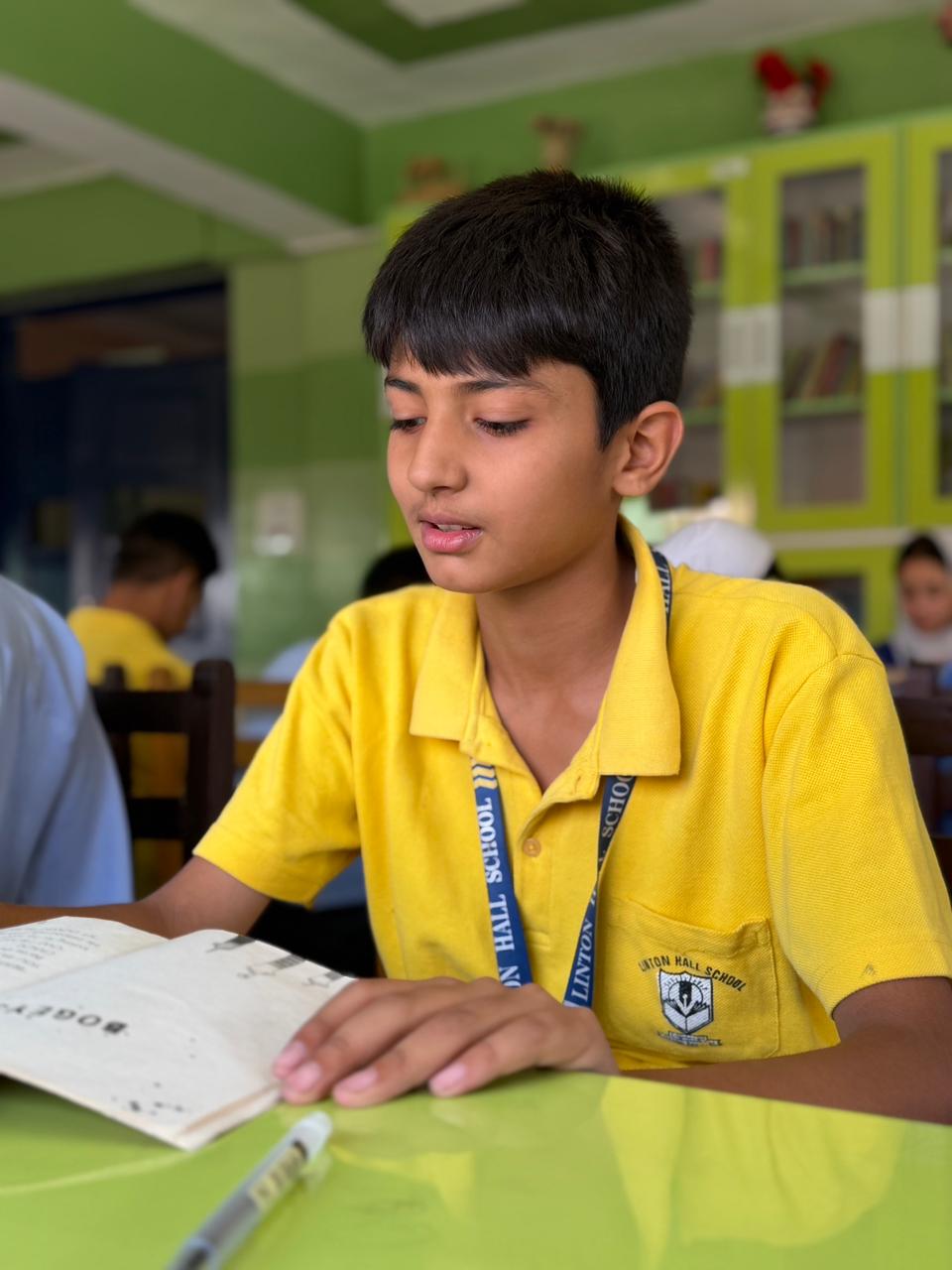
Curiosity becomes deeper thinking
Students are encouraged to question assumptions, investigate ideas and develop their own understanding rather than simply accepting information.
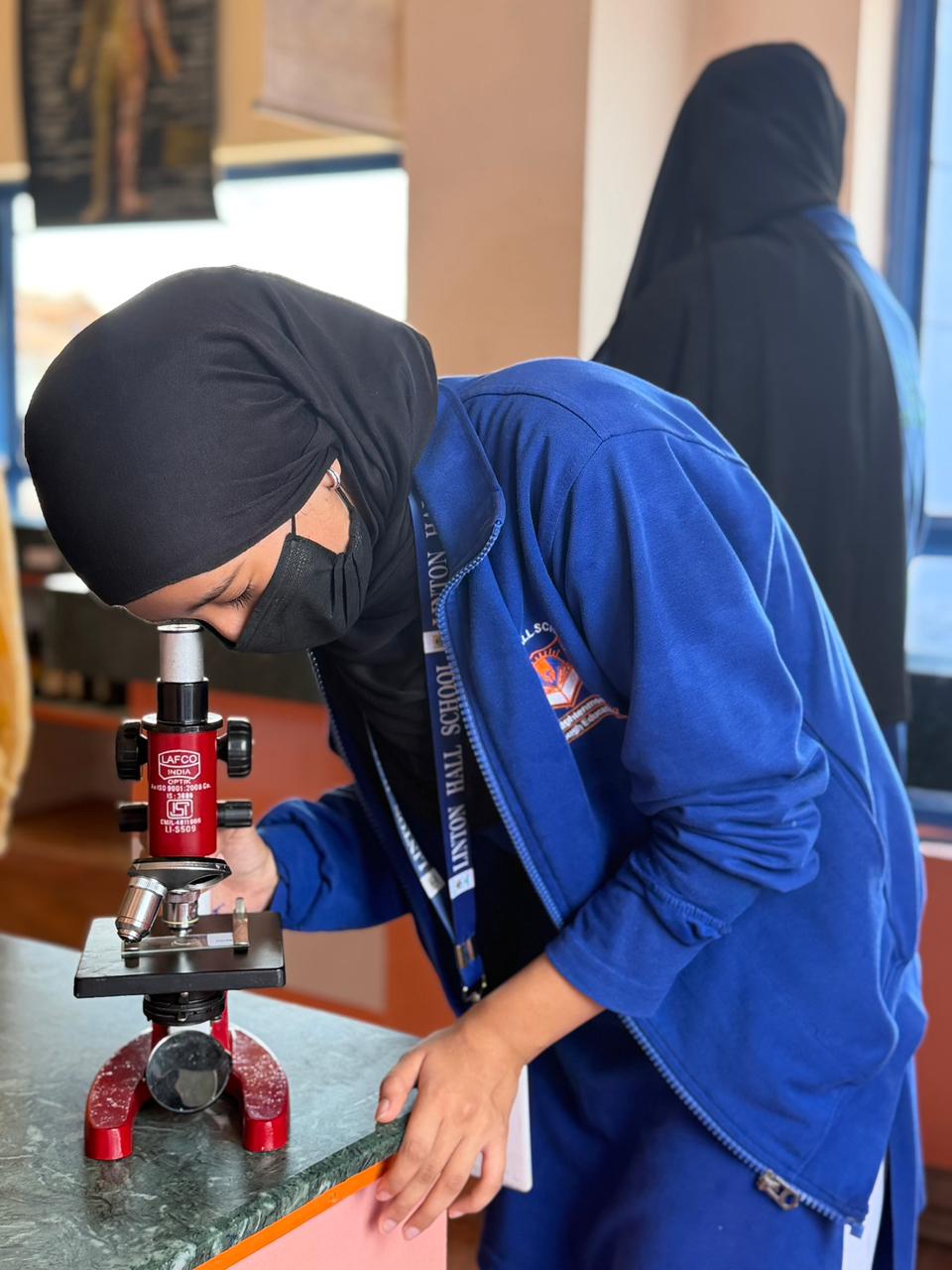
Class 6 to 8 — a formative stage where curiosity becomes critical thinking, independence and purpose.
Middle School is where students begin to think more critically and take greater ownership of their learning. With a broader, more specialized curriculum, this stage encourages young minds to ask deeper questions, connect ideas across subjects, and start discovering their individual strengths and interests.
It’s a formative period of growth academically, socially, and personally — supported by an environment that encourages students to become confident in who they are and what they can achieve.
A wider range of subjects introduces students to science, mathematics, humanities and languages with increasing depth and complexity.
Research, questioning and independent problem-solving.
Time management, study habits and personal organization.
Clubs, committees and student councils build responsibility.
Inter-school competitions, sports and cultural events.
Middle School gives students space to experiment, collaborate, lead and discover the interests that make them unique.
Students are encouraged to question assumptions, investigate ideas and develop their own understanding rather than simply accepting information.
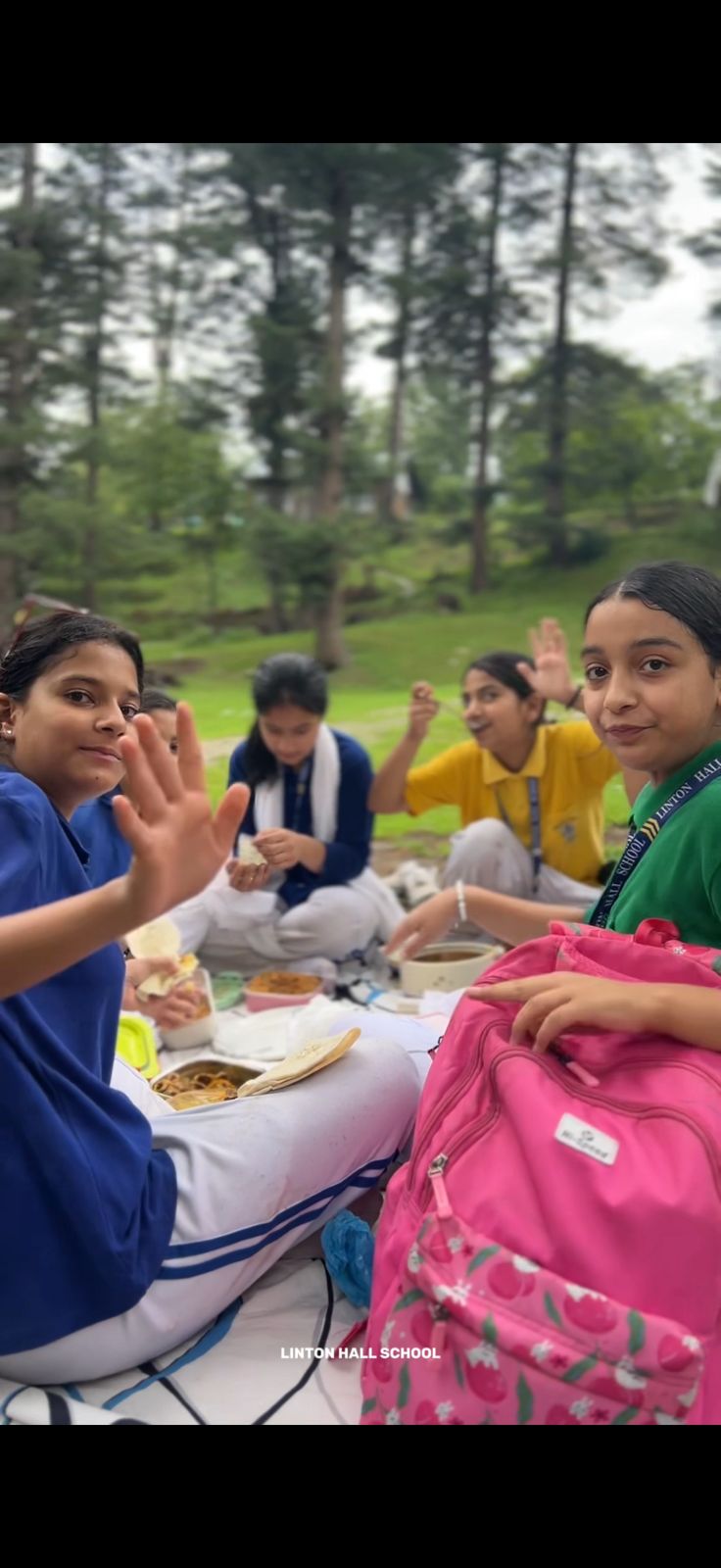
Group activities and shared projects help students understand different perspectives while learning how to contribute effectively.
Student councils, clubs and committees give young people meaningful opportunities to take responsibility, make decisions and serve their community.
Sports, cultural events, competitions and skill-building activities help students discover interests and strengths that may shape their future.
The Middle School years bring new responsibilities and new questions. We provide students with the guidance, structure and encouragement they need to navigate this stage with confidence.
Developing productive study habits and managing time effectively.
A supportive environment where students can grow through the changes of early adolescence.
Early exposure to career interests and practical skill-building activities.
Students learn to communicate ideas, opinions and questions with clarity and confidence.
Discover new subjects, ideas and interests.
Question, research and solve problems independently.
Take responsibility and contribute to the community.
Build the confidence needed for secondary school.
By the end of this stage, students emerge as confident, capable thinkers better prepared for the academic rigor and responsibilities of secondary school.
Question boldly. Think independently. Move forward confidently.